

Gospel accounts of the resurrection are curiously unpolished. There is no attempt to tidy things up. The disciples are uncertain, scared, and slow to understand. And when Christ appears amongst them, he is not restored in some idealised form. He shows them his hands and his side — the wounds remain.
It is a detail we are so used to hearing that we can miss its force. Resurrection does not mean the undoing of what has been suffered. The marks of it are still visible, still part of the story. They are not hidden away.
There is a message here for us, particularly now, as the Church finds itself navigating change, loss, and the demands of its common life. We are not short of wounds. Some are carried hidden by those who continue in faithful ministry. Some are shared more widely: divisions that have not been resolved, the strain of sustaining Church life, the long memory of things that have gone wrong. Yet the Church’s life goes on in its familiar form.
In the weeks ahead, that ordinary life will come into sharper focus. Vestries will meet. General Synod will gather. Accounts will be presented, reports received, decisions made. Much of it will be careful and unspectacular. Within all of that lies a simple question: how honest are we prepared to be?
There is always a temptation to smooth things over. To present a version of parish or cathedral life that is coherent and manageable. To leave certain matters unspoken out of weariness or a desire to keep the peace. That instinct is understandable. It is also, at times, a way of avoiding the truth.
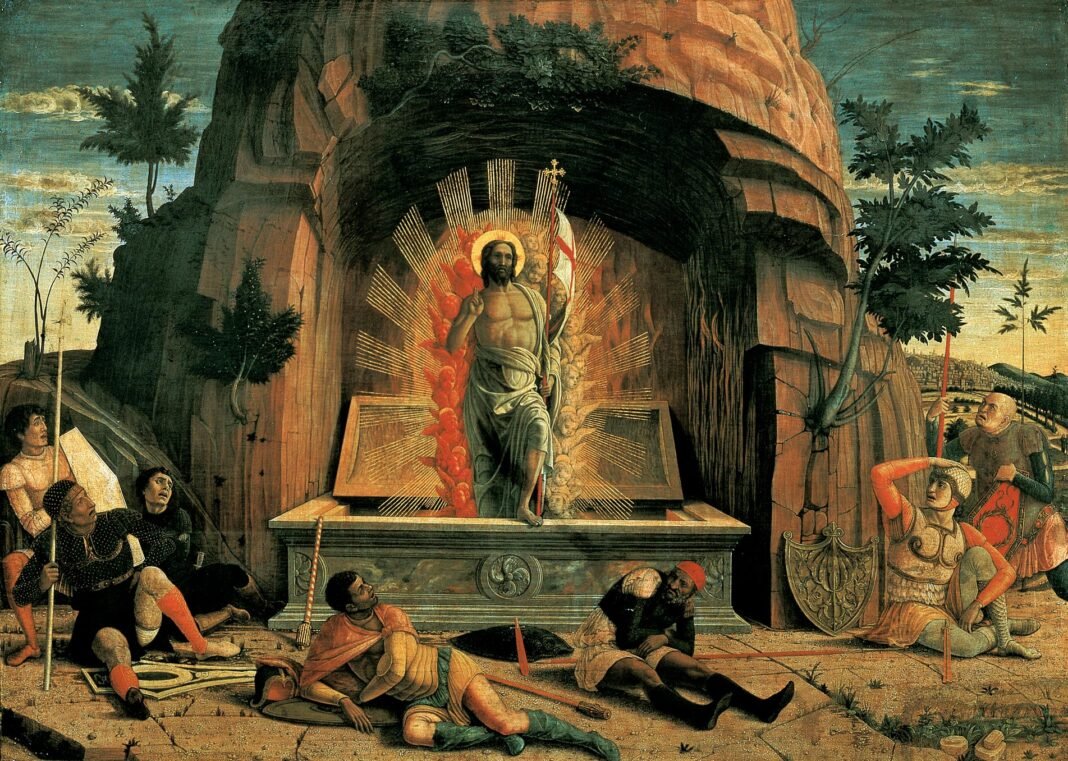
The risen Christ does not conceal his wounds. He does not return to his disciples as though nothing has happened. He stands with them as one who has been crucified, and is alive. Thomas is invited to see, and to touch. Recognition comes not in spite of the wounds, but through them.
The Church will not be served by pretending to be unmarked. A Church that can speak plainly about its difficulties is already on firmer ground than one that cannot. A Synod that allows space for what is unresolved is doing work that is more faithful than it may first appear.
The life of the Church is not carried by its structures alone, but by the people who inhabit them. What is said in the vestry or on the floor of Synod shapes more than a set of minutes. It shapes trust. It shapes whether others feel able to speak, or whether silence settles more deeply.
Easter does not ask us to forget what has been. It asks us to see it differently. Not everything is repaired. Not everything is clear. But nothing is outside of God’s redeeming work.
The wounds remain. And, by grace, they may yet speak — if we are willing to hear them.