



Sir, —
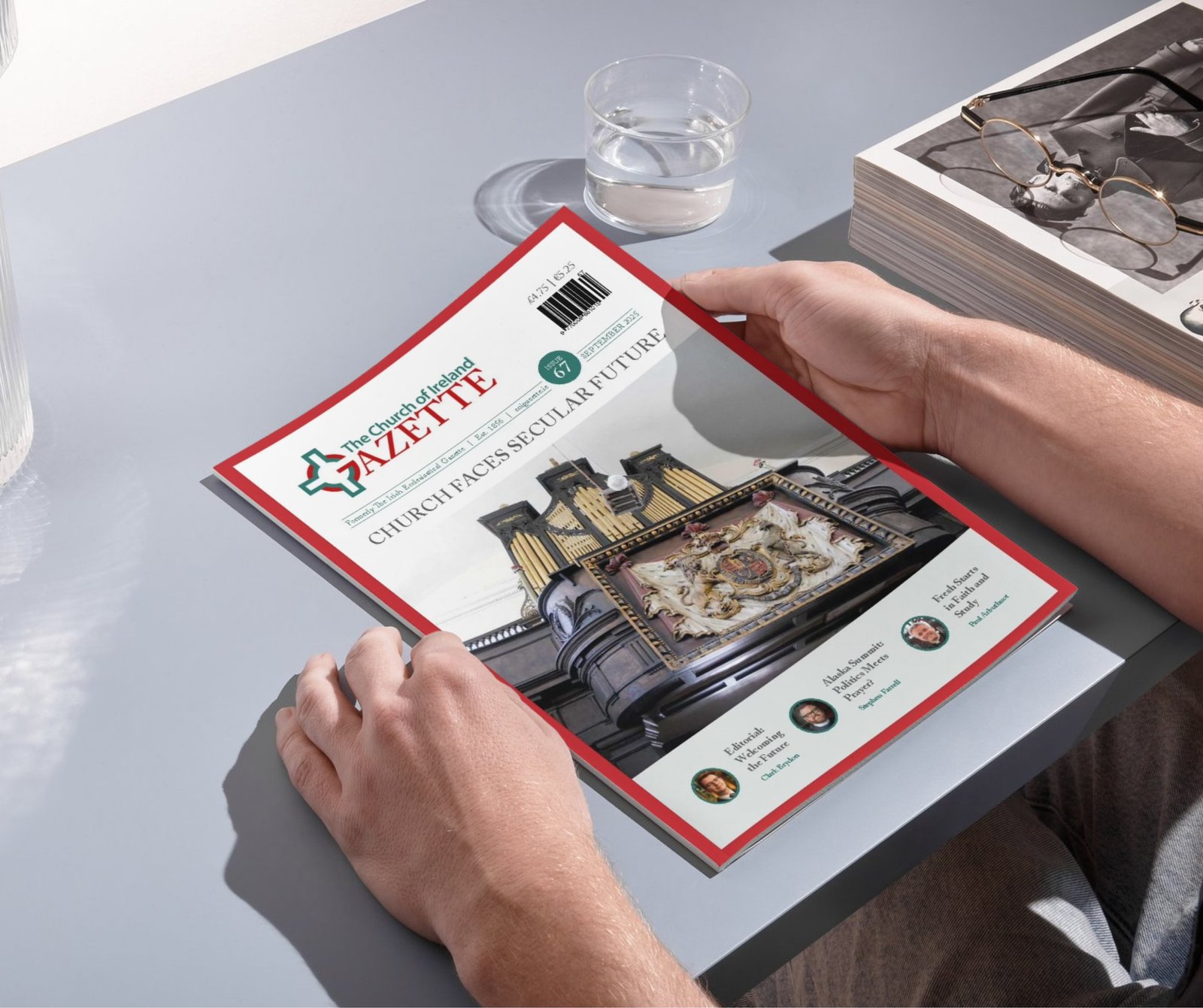
I read ‘Scars that Speak’ (Editorial, March 2026) with admiration, not least for its bold suggestion that the Church might try telling the truth about itself. It is a thrilling prospect. One scarcely knows where to begin — or, indeed, how long such an experiment might be permitted to continue.
If taken seriously, vestries might become alarmingly candid, Synod speeches dangerously intelligible, and annual reports briefly recognisable as accounts of real life rather than exercises in devotional optimism. One trembles at the thought. Our long-cultivated gift for saying everything except what we mean has, after all, carried us this far with admirable steadiness.
There is something almost heroic in the editorial’s insistence that wounds should be shown rather than tastefully upholstered. Yet one suspects that, should such honesty break out, it will be swiftly contained — perhaps by referral to a subcommittee, the drafting of a carefully balanced statement, or, failing that, the reassurance that further reflection is needed.
For Anglicanism has always preferred its crises like its liturgy: carefully ordered, gently worded, and unlikely to alarm the congregation. Plain speaking may be commended in principle, but in practice it risks becoming… noticeable, which is rarely considered desirable.
Still, one lives in hope. And, failing that, one trusts that tea will be served promptly — if only to steady those who find themselves, quite unexpectedly, in the presence of candour.
Yours, etc.,
The Reverend Basil Last-Resort
(Formerly Rector of the Parish of Hope; by fax)