

As I write this, the Church is entering the week of Whitsun. General Synod has only recently concluded and, as ever, it leaves behind a curious mixture of fatigue and unfinished conversation. There were moments of genuine disagreement, certainly, but also countless moments that rarely make reports or headlines: people praying together before debates, conversations continuing over coffee long after formal business had ended, friendships renewed in corridors and hotel foyers.
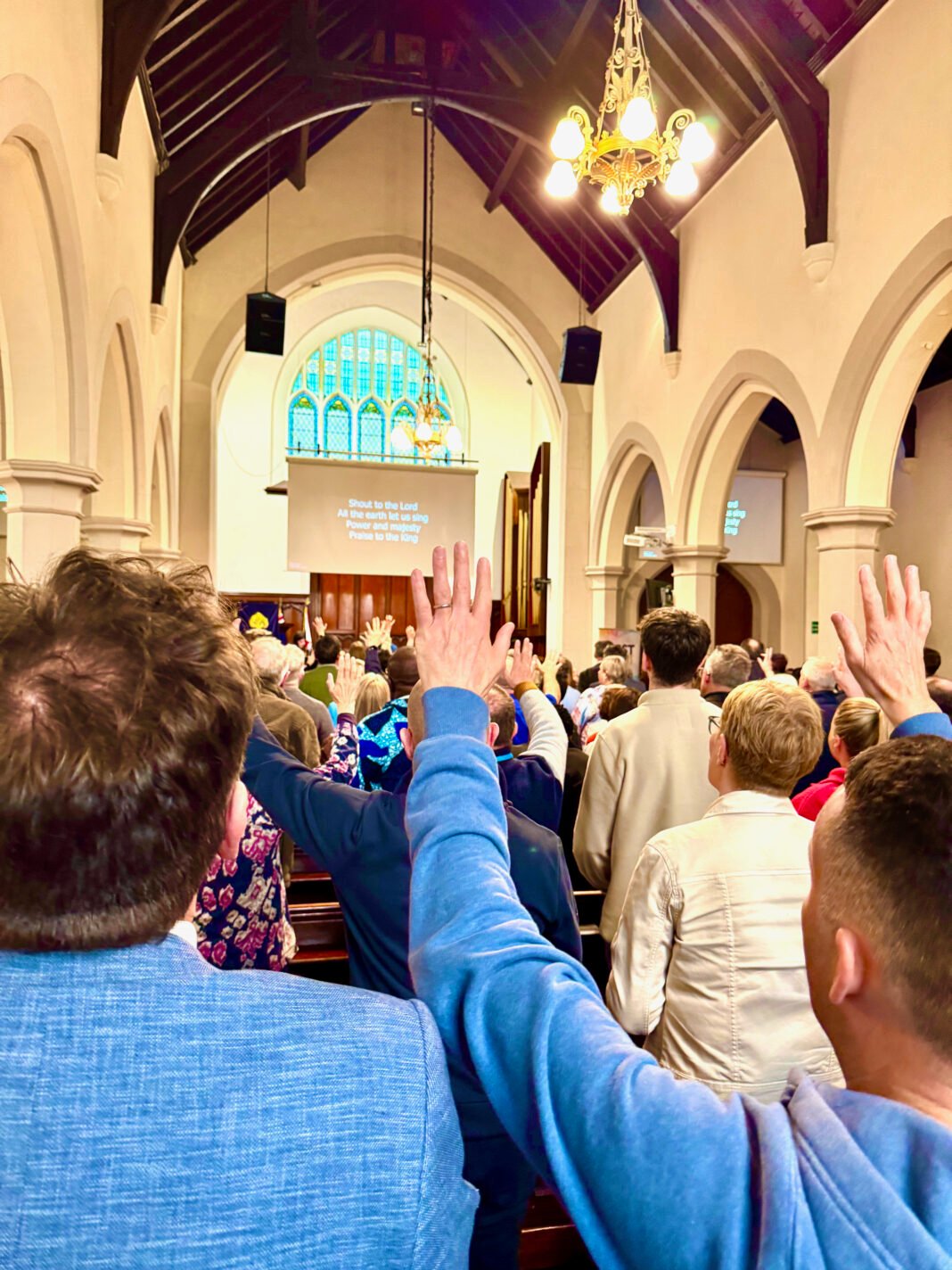
For all its imperfections, Synod remains one of the few places where the breadth of the Church still becomes visible. During the Synod week, I attended a gathering connected with the First Things movement. Such events are often described in shorthand before anyone has actually encountered them properly. The assumptions arrive first: conservative, evangelical, this ‘side’ or that ‘side’. I suspect many who know me well would also know that it is not entirely my natural ecclesial habitat. I am not, by instinct or temperament, much of a worship-song person.
And yet, sitting there, listening to people pray, sing, speak about Scripture, holiness, vocation, and the future of the Church, I found myself recognising something familiar. There was seriousness there, certainly, but also warmth, humour, generosity, and a genuine affection for the Church in all its messiness. There were clergy and laity from different traditions and temperaments, people who would not agree on every question facing Anglicanism, yet who clearly recognised one another as fellow Christians first.
I came away reflecting less upon difference and more upon understanding.Perhaps that is why Pentecost feels particularly important this year. The account in Acts is dramatic enough — wind, fire, bewilderment — but the real miracle of Pentecost is that people suddenly hear and understand. Pilgrims from across the world hear the Gospel in their own language. Not one language replacing another, but each hearing themselves addressed where they are.
The Spirit overcomes estrangement.This feels increasingly rare in modern life. We live in a culture which encourages quick judgement and instant certainty. People often speak loudly whilst listening very little. The Church is hardly immune from this temptation. We can become fluent in labels and assumptions whilst forgetting how to encounter one another properly as human beings.
Yet Christianity has always insisted that something else is possible. The Church is, at heart, a fellowship of people who did not choose one another but who nevertheless find themselves gathered around the same Lord. That has always been slightly untidy. It was untidy in Corinth, untidy in Jerusalem, untidy at the Reformation, and untidy at Synod in Newcastle this year. But the Christian claim is that grace is capable of creating communion where the world expects fragmentation.
In the months ahead, the Church of Ireland will enter an important period of discernment and transition. Significant appointments lie ahead and there will no doubt be speculation, hopes, anxieties, and strong opinions. Yet Pentecost offers a useful reminder that the Holy Spirit has never shown much interest in conforming neatly to expectation. The history of the Church is full of unlikely people called at unlikely moments, often bringing gifts the wider Church had not yet recognised in itself.
Later this summer, Belfast will host the Anglican Consultative Council under the theme ‘Called to One Hope’. It is difficult to imagine a more appropriate setting. Belfast knows that reconciliation is rarely dramatic. More often, it is built slowly through encounter, patience, honesty, and the stubborn refusal to stop listening to one another.
Perhaps that too is part of the Church’s calling now.
One Church. One Faith. One Lord.